
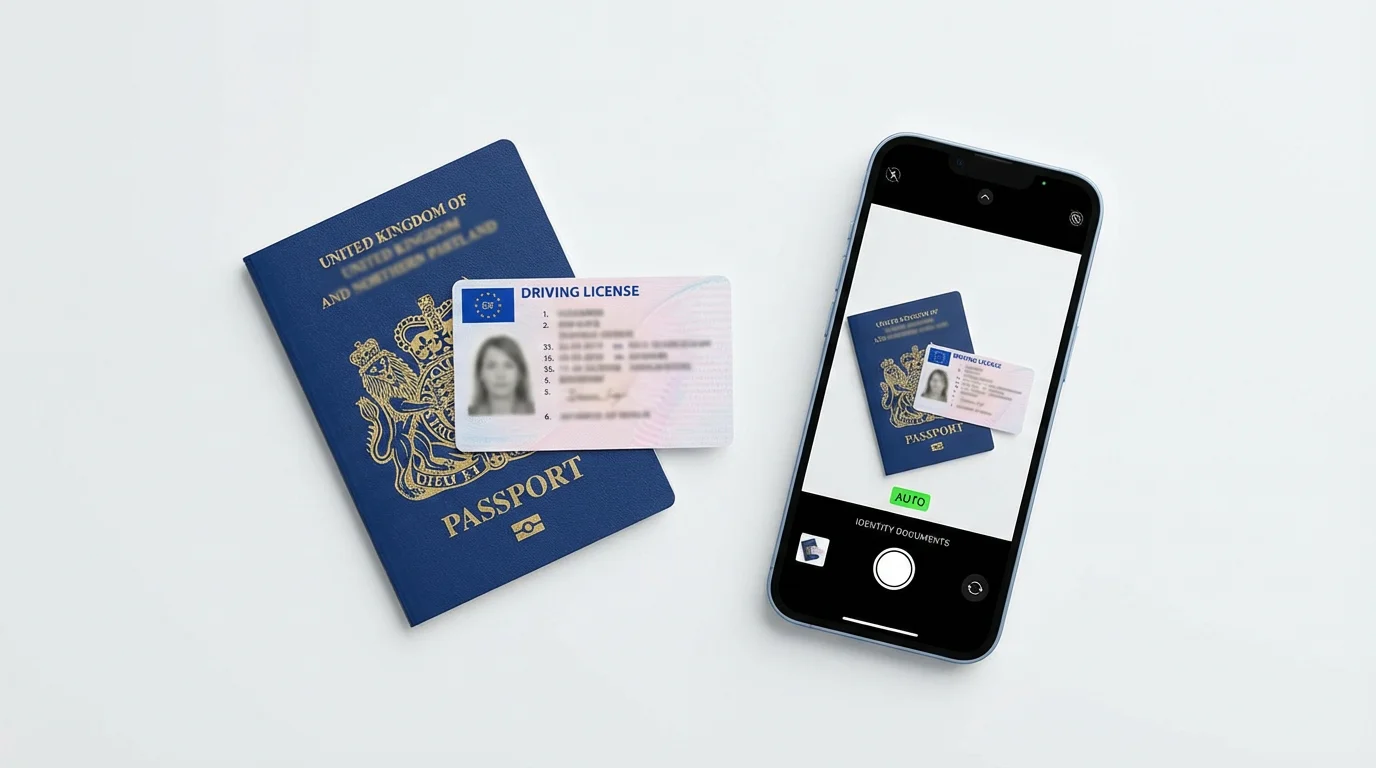
KYC Verification: What It Is and Why It Matters
Know Your Customer verification confirms your identity when using UK betting sites. Operators must verify that you are who you claim to be, that you’re old enough to gamble legally, and that your address is accurate. This process involves submitting documents that prove your identity and residence.
UKGC regulations mandate KYC verification. This isn’t optional for operators — they must verify customers to maintain their licences. The requirements exist to prevent underage gambling, combat money laundering, and fulfil responsible gambling obligations. While verification may seem inconvenient, it serves genuine protective purposes.
Verification typically occurs before your first withdrawal, though some sites verify earlier during registration or before large deposits. The exact timing varies between operators, but you’ll eventually need to complete verification at every legitimate UK betting site. Planning for this avoids surprise delays when you want to withdraw winnings.
The process has become more sophisticated and usually faster than historical manual reviews. Many sites use automated verification systems that confirm documents within minutes. Others still rely on manual review, which may take longer. Understanding what’s required helps you provide suitable documents quickly.
Approaching verification positively rather than with frustration helps. The requirements protect you as well as the operator. Age verification prevents children from gambling. Identity confirmation protects against account fraud. Address verification ensures you receive important communications. These protections benefit legitimate customers.
Documents Required for Verification
Identity documents prove who you are. Acceptable documents typically include valid passports, driving licences (photocard versions), and national identity cards. The document must be current — expired documents are rejected. Your name on the document must match your account registration details exactly.
Proof of address confirms where you live. Utility bills (gas, electric, water), bank statements, council tax bills, and official government correspondence typically qualify. Documents must be recent — usually within the last three months. Your name and current address must appear clearly. Mobile phone bills and some other statements may not be accepted.
Proof of payment method may be required for certain transactions. Credit or debit card photos showing the first six and last four digits (middle numbers obscured), e-wallet screenshots, or bank statements showing the payment method confirm you control the funding source. This prevents card fraud and unauthorised account use.
Source of funds documentation applies for larger transactions. Operators may request payslips, bank statements showing salary deposits, or documentation of other income sources. This requirement typically affects high-value deposits or significant winning withdrawals. The documentation proves funds come from legitimate sources.
Photo verification sometimes requires selfies holding your ID document. This confirms the person submitting documents is the person pictured. Some sites use video verification for similar purposes. These measures prevent identity theft and fraudulent account use.
Different sites accept different document combinations. Check specific requirements at your chosen operator rather than assuming universal acceptance. Having multiple document options available speeds verification if your first choice isn’t accepted.
The Verification Process Explained
Verification requests arrive via email or appear in your account dashboard. The request specifies which documents are needed and provides upload instructions. Some sites proactively request verification during registration; others wait until you request a withdrawal.
Document upload happens through secure site portals. You’ll photograph or scan required documents and upload them through designated verification pages. Some sites accept documents via email, though portal uploads are more common. File size and format requirements vary — JPG, PNG, and PDF are typically accepted.
Automated verification systems process documents quickly when they meet requirements. Clear photos of valid documents often verify within minutes. These systems read document information, match it against your account details, and approve when everything aligns. Fast verification depends on providing suitable documents.
Manual review handles complex cases or unclear documents. Human reviewers examine documents that automated systems can’t process. This takes longer — hours to days depending on operator staffing. Poor quality images, unusual documents, or information mismatches trigger manual review.
Approval confirmation arrives once verification completes. Your account status updates, and you can proceed with restricted activities like withdrawals. Keeping confirmation records helps if future disputes arise about your verification status.
Rejection requires additional action. You’ll receive explanation of why documents were rejected and what alternatives to provide. Common rejection reasons include expired documents, unclear images, or information mismatches. Providing corrected documents restarts the process.
Tips for Smooth Verification
Photograph documents in good lighting with all corners visible. Ensure text is readable without blur or glare. Place documents on contrasting backgrounds — dark document on light surface or vice versa. Full document visibility prevents rejection for incomplete images.
Match account details to document information exactly. If your passport shows “James” but you registered as “Jim,” mismatches may cause problems. Use your full legal name during registration to avoid discrepancies. Consistent information throughout speeds verification.
Verify before you need to withdraw. Completing verification during idle periods means your account is ready when you have winnings to collect. Waiting until withdrawal requests creates delays exactly when you want fast processing. Proactive verification eliminates waiting.
Keep digital copies of common documents ready. Scanned utility bills, photographed ID, and other frequently requested documents stored accessibly enable quick submission when requested. Scrambling to photograph documents when requests arrive wastes time.
Use documents matching your registered payment methods. If you deposited via a card in your name, verification documents should show that same name. Mismatched names between verification documents and payment methods raise flags requiring additional explanation.
Contact support if delays extend beyond stated timeframes. Most sites commit to verification within specific periods. Exceeding these suggests problems worth investigating through customer service. Polite enquiry often accelerates stuck processes.
Common Issues and How to Resolve Them
Blurry or unclear images cause many rejections. Retake photographs in better lighting, holding the camera steady. Use a flat surface rather than holding documents in your hand. Higher resolution phone cameras produce better results than older devices.
Expired documents aren’t acceptable. Check expiry dates before submitting. Renew documents if they’ve expired or are expiring soon. Having current documentation avoids delays from rejected expired materials.
Name mismatches between documents and account details require resolution. Contact support to explain discrepancies. Providing marriage certificates for name changes, deed polls, or other legal documentation may resolve mismatches. Some sites allow account detail corrections with supporting evidence.
Address documents must be recent and official. Informal documents, documents older than three months, or unofficial statements won’t be accepted. Request new utility bills or bank statements if your existing documents are too old. Electronic statements are acceptable if they include your name and address clearly.
Third-party documents don’t work for personal verification. Bills in housemates’ or family members’ names don’t prove your address. You need documents in your own name showing your current address. If bills aren’t in your name, bank statements or official correspondence provide alternatives.
Partial document images are rejected. All four corners must be visible. Cropped images missing edges suggest potential manipulation and trigger rejection. Frame photographs to include complete documents with surrounding visible margin.
Frequently Asked Questions
Is it safe to send ID documents to betting sites?
UKGC-licensed sites must handle personal data according to data protection regulations. Documents are used for verification purposes and must be stored securely. Legitimate operators have proper data protection measures. However, only provide documents through official site channels — never via unsolicited emails claiming to be from betting sites, as these may be phishing attempts.
How long does verification usually take?
Automated verification can complete within minutes when documents are clear and information matches. Manual review typically takes 24-72 hours, though some sites are faster or slower. Weekends and holidays may extend processing times. If verification exceeds stated timeframes significantly, contact customer support for status updates.
Preparing for Hassle-Free Verification
Gather common verification documents before you need them. Having digital copies of your passport, driving licence, recent utility bill, and bank statement ready enables immediate response to verification requests. Preparation eliminates delays.
Register with accurate information from the start. Using your full legal name, current address, and correct date of birth ensures documents will match your account. Shortcuts during registration create problems during verification.
Complete verification proactively at new sites. Don’t wait for withdrawal requests to trigger verification. Verifying early means your account is fully functional when you have winnings to collect.
Keep documents updated as circumstances change. Moving house means new address verification will be needed. Expired documents need replacement. Maintaining current documentation ensures you’re always ready for verification requests.
Understand that verification protects you as well as operators. Confirmed identity prevents others from accessing your account. Verified payment methods ensure winnings go to the right person. These protections benefit legitimate customers despite the inconvenience of providing documentation.
New betting sites use the same verification requirements as established operators. UKGC regulations apply universally. Whether you’re joining new sites or using established ones, understanding verification helps you complete it smoothly whenever it’s required.